KMEANS.KNN
KMeans and KNN Clustering Package
Implementation of Kmeans clustering algorithm and a supervised KNN (K Nearest Neighbors) learning method. It allows users to perform unsupervised clustering and supervised classification on their datasets. Additional features include data normalization, imputation of missing values, and the choice of distance metric. The package also provides functions to determine the optimal number of clusters for Kmeans and the best k-value for KNN: knn_Function(), find_Knn_best_k(), KMEANS_FUNCTION(), and find_Kmeans_best_k().
KMEANS.KNN
The goal of KMEANS.KNN is to …
Installation
You can install the development version of KMEANS.KNN like so:
# FILL THIS IN! HOW CAN PEOPLE INSTALL YOUR DEV PACKAGE?
Example
This is a basic example which shows you how to solve a common problem:
library(KMEANS.KNN)
## basic example code
What is special about using README.Rmd instead of just README.md?
You can include R chunks like so:
summary(cars)
#>      speed           dist
#>  Min.   : 4.0   Min.   :  2.00
#>  1st Qu.:12.0   1st Qu.: 26.00
#>  Median :15.0   Median : 36.00
#>  Mean   :15.4   Mean   : 42.98
#>  3rd Qu.:19.0   3rd Qu.: 56.00
#>  Max.   :25.0   Max.   :120.00
You’ll still need to render README.Rmd regularly, to keep README.md
up-to-date. devtools::build_readme() is handy for this.
You can also embed plots, for example:
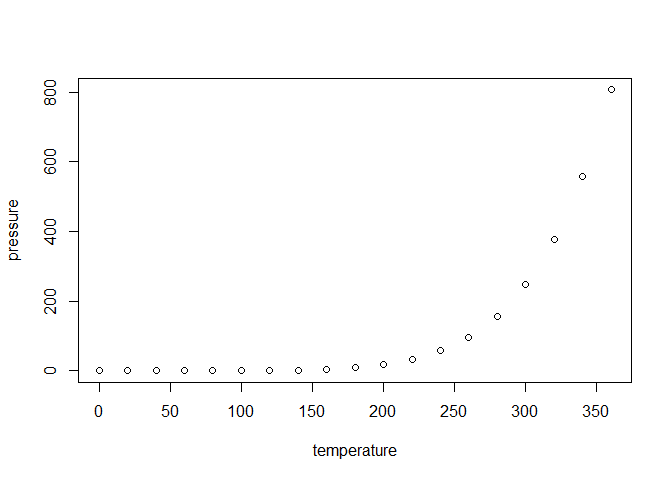
In that case, don’t forget to commit and push the resulting figure files, so they display on GitHub and CRAN.