nat
NeuroAnatomy Toolbox for Analysis of 3D Image Data
NeuroAnatomy Toolbox (nat) enables analysis and visualisation of 3D biological image data, especially traced neurons. Reads and writes 3D images in NRRD and 'Amira' AmiraMesh formats and reads surfaces in 'Amira' hxsurf format. Traced neurons can be imported from and written to SWC and 'Amira' LineSet and SkeletonGraph formats. These data can then be visualised in 3D via 'rgl', manipulated including applying calculated registrations, e.g. using the 'CMTK' registration suite, and analysed. There is also a simple representation for neurons that have been subjected to 3D skeletonisation but not formally traced; this allows morphological comparison between neurons including searches and clustering (via the 'nat.nblast' extension package).
nat: NeuroAnatomy Toolbox 







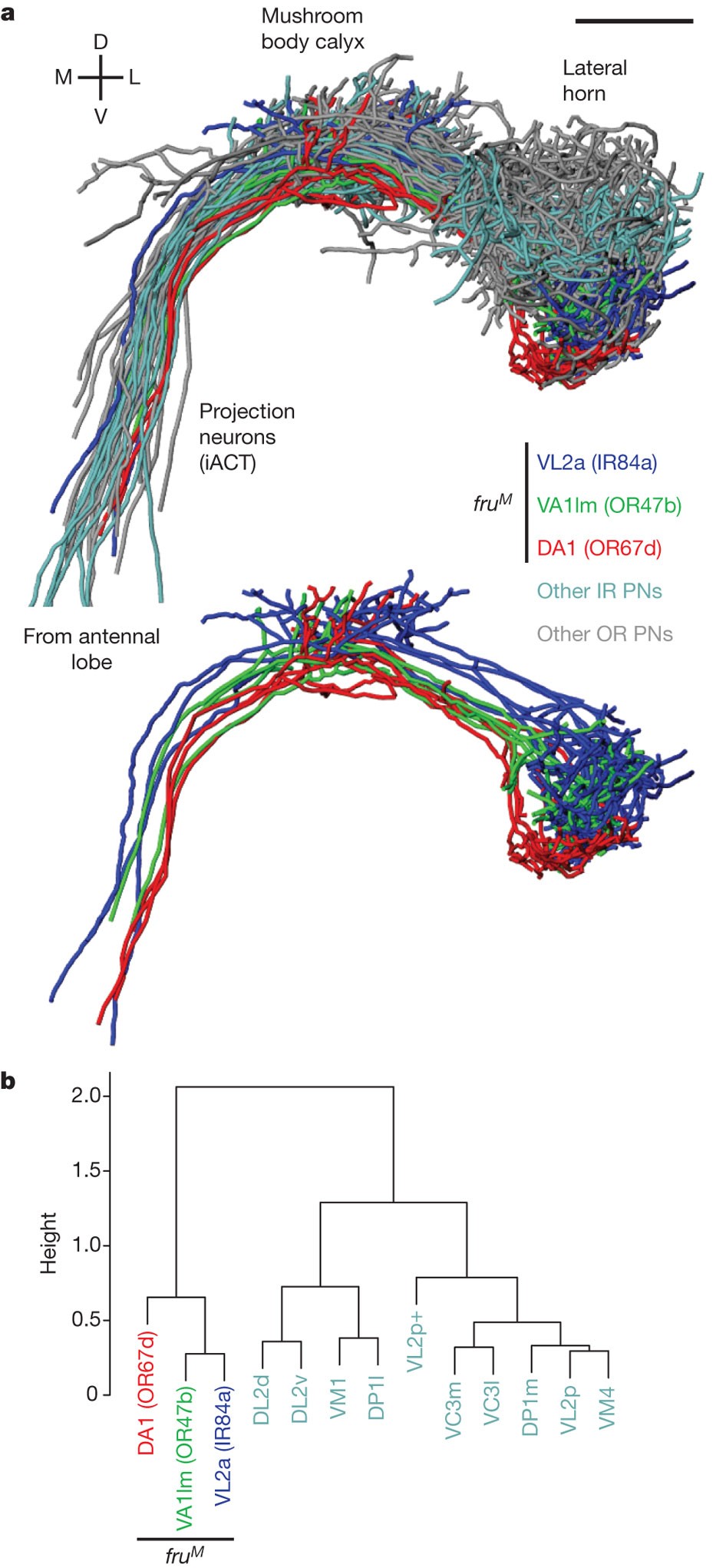
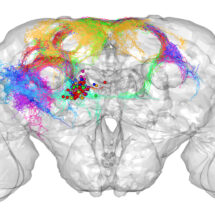
An R package for the (3D) visualisation and analysis of biological image data, especially tracings of single neurons. nat is the core package of a wider suite of neuroanatomy tools introduced at http://natverse.github.io. nat (and its ancestors) have been used in a number of papers from our group including:



Quick Start
For the impatient ...
# install
install.packages("nat")
# use
library(nat)

# plot some test data (?kcs20 for details)
# Drosophila Kenyon cells processed from raw data at http://flycircuit.tw
head(kcs20)
open3d()
plot3d(kcs20, col=type)
# get help
?nat
Installation
A confirmed stable version of nat can be installed from CRAN.
install.packages("nat")
However, nat remains under quite active development, so if you will be using nat extensively, we generally recommend installing the latest development version directly from github using the devtools package.
# install devtools if required
if (!requireNamespace("devtools")) install.packages("devtools")
# then install nat
devtools::install_github("natverse/nat")
Learn
To get an idea of what nat can do:
- Skim through the Articles listed at https://natverse.org//nat/
- Take a look at the R Markdown reports used to generate the figures for our NBLAST paper.
When you're ready to learn more:
- Read the overview package documentation
(
?natin R) - Read the Introduction to neurons article
- Check out the thematically organised function reference documentation.
- Most help pages include examples.
- Try out sample code:
- nat.examples has detailed examples for data sets from a range of model organisms and techniques
- frulhns analysis of sexually dimorphic circuits
- NBLAST figures
Help
If you want some help using nat:
- For installation issues, see the Installation vignette
- Contact nat-user Google group - we normally respond promptly and you will also be helping future users.
If you think that you have found a bug:
- Install the development version of nat using devtools (see above) and see if that helps.
- Check the github issues and
- file a bug report if this seems to be a new problem
- comment on an existing bug report
Thanks for your interest in nat!